info@serenitymedspaga.com
 (912)561-6040

Frown lines, also known as glabellar lines or “11 lines,” are among the most common signs of facial aging. These vertical wrinkles form between the eyebrows and can make you appear tired, stressed, or upset even when you feel completely relaxed. By understanding what causes frown lines and how to treat and prevent them, you can take control of your skin’s appearance and maintain a smoother, more refreshed look. This guide covers the essentials you need to know.
What Are Frown Lines?
Frown lines are vertical creases that develop in the glabellar region—the space between your eyebrows, above the bridge of your nose. They begin as dynamic wrinkles, meaning they appear only when you make expressions like frowning, concentrating, or squinting. Over time, as the skin loses elasticity, these creases can turn into static wrinkles that remain visible even when your face is at rest.
Why Frown Lines Form
The formation of frown lines is largely due to repeated contraction of specific facial muscles:
- Corrugator supercilii: pulls the eyebrows inward
- Procerus: pulls the inner eyebrows downward
- Frontalis: lifts the brows and contributes to forehead movement
Years of repeated facial expressions eventually cause the overlying skin to crease permanently, especially as natural aging reduces collagen and elastin.
Primary Causes of Frown Lines
Repetitive Facial Movements
Every time you frown, squint, or concentrate, the glabellar muscles contract. Over decades, this repeated motion leaves visible imprints on the skin. People with more expressive facial habits often develop frown lines sooner.
Aging and Loss of Skin Elasticity
Starting in your mid-20s, your body produces less collagen—about 1% less each year. Collagen and elastin are the proteins responsible for firmness and bounce-back ability. As they diminish, the skin becomes thinner and more prone to wrinkling.
Genetics
Your genetic makeup influences when and how you develop wrinkles. Some people naturally have stronger facial muscles, thinner skin, or faster collagen breakdown, all of which can make frown lines appear earlier.
UV Damage
Sun exposure is responsible for up to 80% of visible skin aging. UV rays break down collagen, reduce elasticity, and weaken the skin’s repair mechanisms. Even everyday exposure—walking outside, driving, or sitting near a window contributes to faster wrinkle formation.
Lifestyle Factors
Certain habits accelerate skin aging:
- Smoking: reduces blood flow and oxygen to the skin
- Stress: increases cortisol, which breaks down collagen
- Poor sleep: prevents proper skin repair
- Alcohol: dehydrates and weakens the skin barrier
- Poor diet: limits nutrients needed for skin regeneration
Effective Treatment Options for Frown Lines
Modern aesthetic medicine offers multiple solutions tailored to different types of wrinkles.
Botox: The Most Effective Treatment for Dynamic Lines
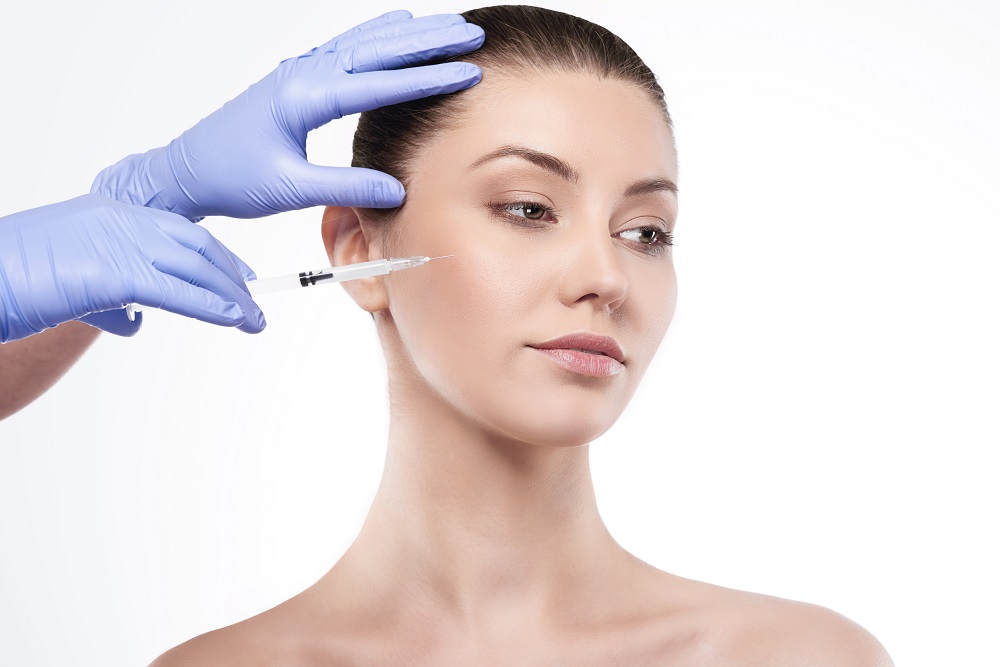
Botox (botulinum toxin type A) is the leading treatment for frown lines. It temporarily relaxes the muscles responsible for creating the wrinkles, preventing repeated contractions.
Benefits include:
- Quick treatment (10–15 minutes)
- Minimal discomfort
- Results appear in 3–7 days
- Lasts about 3–4 months
Botox is especially effective for early dynamic lines and can prevent deeper wrinkles from forming over time.
Dermal Fillers for Static Lines
For deeper, static frown lines that remain visible even after muscle relaxation, dermal fillers usually hyaluronic acid—add volume beneath the skin to smooth creases instantly. Results typically last 6–12 months.
A combination of Botox + fillers often provides the most natural and long-lasting improvement.
Topical and Skincare Treatments
High-quality skincare can significantly improve skin texture and reduce fine lines.
- Retinoids: boost collagen and speed up cell turnover
- Vitamin C: protects against free radicals and brightens skin
- Peptides: support collagen and elastin production
- Medical-grade moisturizers: strengthen the skin barrier
These products work best as part of a consistent routine and enhance the results of professional treatments.
Advanced Aesthetic Procedures
For more dramatic improvement, several in-office treatments stimulate deep collagen production:
- Laser resurfacing (ablative and non-ablative)
- Radiofrequency skin tightening
- Microneedling (with or without radiofrequency)
- Chemical peels
These treatments smooth skin texture, improve elasticity, and reduce the appearance of deeper wrinkles.
How to Prevent Frown Lines
Daily Sun Protection
Sunscreen is the #1 anti-aging tool. Use broad-spectrum SPF 30 or higher every day, reapplying every two hours when outdoors. UV-blocking sunglasses can also prevent squint-induced wrinkles.
Healthy Lifestyle
Support your skin from within:
- Eat antioxidant-rich foods
- Stay hydrated
- Get 7–9 hours of sleep
- Manage stress
- Avoid smoking and limit alcohol
Awareness of Facial Expressions
Being mindful of unnecessary frowning or squinting can reduce repetitive muscle contractions. Addressing vision problems or using sunglasses regularly also helps reduce strain.
Conclusion
Frown lines are a natural part of aging, but you don’t have to live with them if they bother you. With today’s advanced treatments—ranging from Botox and fillers to lasers and medical-grade skincare—you can significantly soften existing lines and prevent new ones from forming.
Serenity Medspa GA offers personalized consultations and expert-guided treatment plans designed to help you achieve smooth, youthful-looking skin. Reach out today to begin your journey toward a refreshed, confident appearance.