



 info@serenitymedspaga.com
 (912)561-6040

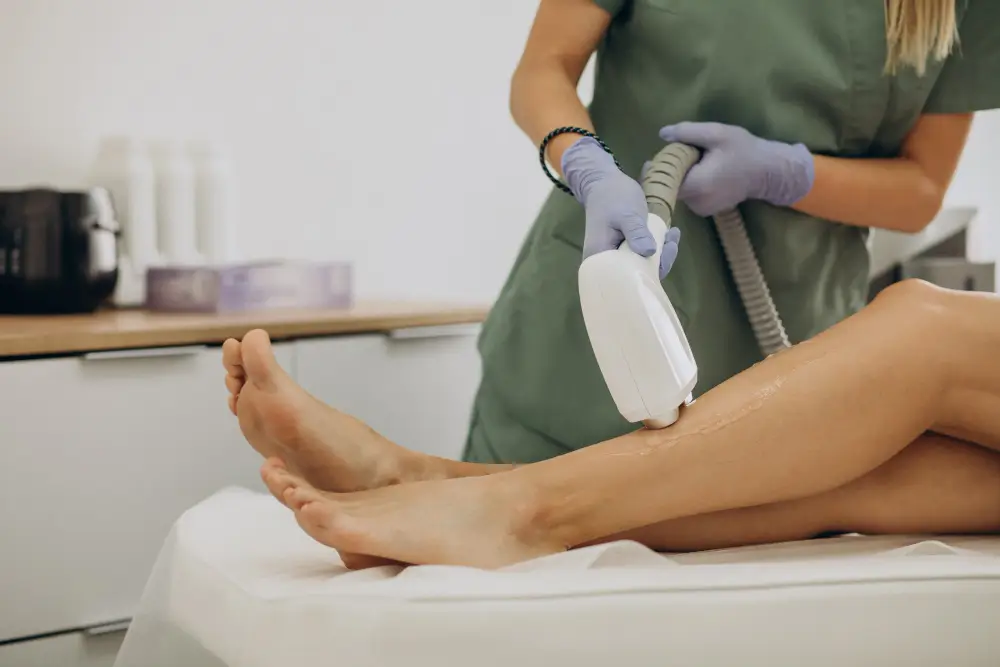
Before committing to laser hair removal, most people want to know one thing: how long is this actually going to take? The answer is not one-size-fits-all. It depends on the body area, your hair type, your skin tone, and how your hair cycles. This guide gives you a realistic, area-by-area breakdown so you can plan your treatment timeline, understand what influences the number of sessions, and know exactly what to expect from start to finish.
Why Multiple Sessions Are Always Required
One of the most common questions patients ask is why a single session is not enough. The answer comes down to biology.
Laser hair removal works by targeting the melanin in hair follicles. The energy from the laser is absorbed by the follicle, generating heat that disrupts its ability to regrow hair. However, this process only works when a follicle is in the active growth phase, known clinically as the anagen phase. During this phase, the follicle contains the highest concentration of melanin and maintains an active connection to the blood supply that feeds it. Outside of this phase, the follicle is not a viable target.
The challenge is that at any given moment, only a portion of the hairs on the body area in the treatment area are in the anagen phase. The rest are either in a transitional phase or a resting phase, both of which make them unresponsive to laser treatment. A single session, no matter how thorough, can only address the fraction of follicles that happen to be active on that day.
Sessions spaced four to eight weeks apart are designed to catch each new wave of follicles as they enter the active phase. Over the course of a full treatment plan, this cycling process allows every follicle in the treatment area to be addressed. Skipping sessions or extending the gap between appointments disrupts this alignment and can meaningfully extend your total treatment time.
What Factors Affect How Many Sessions You’ll Need?
The session counts provided throughout this guide represent realistic averages, but your personal number will be shaped by four key variables.
Hair Color and Texture
Dark, coarse hair contains the highest concentration of melanin and responds most readily to laser energy. Patients with this hair type typically fall at the lower end of the session range for each body area. Lighter, finer hair absorbs less laser energy per follicle, which may require more sessions to achieve the same degree of reduction. Blonde, gray, and white hair lack sufficient melanin for laser targeting and generally do not respond to treatment regardless of the device used.
Skin Tone
Lighter skin tones allow providers to use higher energy settings, which can produce more aggressive follicle disruption per session. Darker skin tones require more conservative settings to protect surface melanin, which means results accumulate more gradually across a slightly higher number of sessions. Importantly, the long-term outcome is equal. The path is modestly longer, not less effective. If you have darker skin and want to understand more about how the technology works safely for your skin type, our guide to laser hair removal for dark skin covers this in detail.
Treatment Area
Different areas of the body have different hair growth cycles, and this directly affects how sessions are spaced and how many are needed. Facial hair grows faster than leg hair, which is why facial sessions are scheduled closer together. Larger, slower-cycling areas like the legs require wider spacing between appointments.
Hormonal Activity
Hormones play a significant role in hair growth patterns, particularly in areas like the face, chin, and bikini zone. Conditions such as polycystic ovary syndrome (PCOS) cause continued follicle stimulation that can require more sessions than average and may necessitate periodic maintenance treatments after the initial course is complete. This is not a complication, just a factor that your provider will account for during your consultation.
Sessions Required by Body Area
This is the section most patients come here for. Below is a detailed breakdown of what to realistically expect for each major treatment area.
Quick Reference: Sessions by Body Area
| Body Area | Estimated Sessions | Spacing Between Sessions |
| Upper Lip and Chin | 6 to 8 | Every 4 to 5 weeks |
| Full Face | 8 to 10 | Every 4 to 6 weeks |
| Underarms | 6 to 8 | Every 4 to 6 weeks |
| Bikini Line | 6 to 8 | Every 4 to 6 weeks |
| Brazilian | 8 to 10 | Every 4 to 6 weeks |
| Arms | 6 to 8 | Every 4 to 6 weeks |
| Legs (Full) | 8 to 10 | Every 6 to 8 weeks |
| Back and Chest | 8 to 10 | Every 6 to 8 weeks |
Face: Upper Lip, Chin, Sideburns, and Full Face
The face is one of the most requested treatment areas, particularly among women dealing with hormonal hair growth on the upper lip, chin, and jaw.
The upper lip and chin are among the faster-responding facial areas. Most patients need six to eight sessions spaced every four to five weeks. Full face treatment, which covers a broader surface and is more significantly influenced by hormonal activity, typically requires eight to ten sessions. Because facial hair has a faster growth cycle than body hair, maintaining the four to five week spacing between appointments is especially important for keeping the sessions aligned with the follicle cycle.
Underarms
The underarms are consistently one of the best-responding areas for laser hair removal, and they are among the most popular requests at Serenity Med Spa.
Most patients achieve 80 to 90 percent reduction within six to eight sessions, spaced four to six weeks apart. The reason underarms respond so well is that underarm hair is typically dark and coarse, making it an ideal laser target. Sessions are also relatively quick given the small surface area, making this one of the most efficient and satisfying treatment journeys patients experience.
Brazilian Laser Hair Removal
Brazilian treatments cover a larger and more sensitive area than a standard bikini treatment and typically require eight to ten sessions, spaced four to six weeks apart.
Despite the additional sessions, this is one of the areas where patients tend to report the most significant quality-of-life improvement. Many patients with dark, coarse hair in this area begin to see significant reduction after sessions three and four. For patients concerned about sensitivity during treatment, topical numbing cream is an option that can make sessions considerably more comfortable.
Bikini Line
A standard bikini line treatment, which addresses the area along the underwear line rather than the full Brazilian coverage, typically requires six to eight sessions. This is a popular starting point for patients who are new to laser hair removal in intimate areas and want to begin with a smaller treatment zone before committing to a more comprehensive treatment.
Legs
Full leg treatments are among the largest coverage areas in laser hair removal and typically require eight to ten sessions. Leg hair has a slower growth cycle than facial or underarm hair, which is why sessions are spaced further apart at six to eight weeks rather than four to six.
Lower leg treatments alone generally need six to eight sessions. Many patients begin to see visible
reduction starting at sessions three and four, with the most significant changes accumulating in the second half of the treatment course. The wider spacing between sessions means the full leg treatment tends to extend over a longer calendar period than smaller areas, which is worth factoring into your planning.
Arms
Arm and forearm treatments typically require six to eight sessions, spaced four to six weeks apart. Arm hair is generally finer than leg hair, which can slightly extend the session count for some patients since finer hair absorbs laser energy less efficiently than coarser hair. For most patients, however, arm treatments fall comfortably within the six to eight session range.
Back and Chest
Back and chest treatments are among the most requested areas for male patients. The hair in these areas tends to be coarser, which is favorable for laser targeting, but the larger surface area means eight to ten sessions are typically needed for complete coverage.
Individual sessions for the back or chest are longer than smaller area treatments, often running 45 to 60 minutes. Patients who are treating multiple large areas at once should factor session length into their scheduling.
What Happens After You Complete Your Sessions?
Completing a full course of laser hair removal does not mean you will never see another hair in the treated area. Understanding what long-term results actually look like helps set realistic expectations and prevents disappointment.
Most patients achieve 70 to 90 percent permanent hair reduction after a complete series of sessions. This is considered permanent reduction, not permanent removal, because a small percentage of follicles may retain some activity. Any hair that does regrow after treatment is typically finer, lighter, and sparser than the original hair, and it grows more slowly.
For most body areas, the results after a full course are largely self-sustaining. However, hormonal areas including the face, chin, and bikini zone are more likely to benefit from maintenance sessions. One or two maintenance appointments per year is a common recommendation for these areas, particularly for patients with hormonal conditions that continue to stimulate follicles over time.
At Serenity Med Spa, the Motus AZ+ system allows for targeted single-area maintenance sessions without requiring a patient to restart a full treatment course. These appointments are quick, straightforward, and far less frequent than the original series.
Tips to Get the Best Results in Fewer Sessions
How you prepare for and space your sessions has a direct impact on how efficient your treatment course is. These are the practices that make the most difference.
Never miss a session. Consistency is the single biggest factor influencing total treatment time. Missing an appointment allows follicles that would have been targeted to cycle out of the active phase, and you may need additional sessions at the end to compensate.
Shave 24 hours before each appointment. Shaving removes the visible hair above the skin surface while leaving the follicle intact and targetable. Do not wax, pluck, or thread between sessions. These methods remove the follicle from the skin entirely, eliminating the laser’s target and resetting the growth cycle in ways that reduce treatment effectiveness.
Avoid sun exposure for four weeks before each session. Tanned skin has elevated surface melanin that can interfere with accurate targeting and increase the risk of side effects. This applies to both natural sun exposure and self-tanning products.
Stay on schedule. Extending the gap between sessions beyond eight to ten weeks risks losing the cycle alignment that makes each session build on the last. If life gets in the way and you need to reschedule, do so as promptly as possible rather than simply waiting for the next available appointment weeks out.
Maintain healthy, hydrated skin. Moisturized skin responds more consistently to laser treatment than dry or compromised skin. Keeping the treatment area in good condition between sessions is a small habit that supports the overall process.
Plan Your Treatment at Serenity Med Spa, Pooler, GA
Serenity Med Spa uses the Motus AZ+ laser system, which is particularly efficient compared to older laser platforms. The Moveo technology delivers energy through continuous motion rather than single pulses, which allows for faster session times and more even energy distribution across the treatment area. Many patients appreciate the comfort and efficiency of Motus AZ+, which can make completing a treatment series easier and more convenient..
During your consultation, your provider will assess your hair type, skin tone, and the specific areas you want to treat. From that information, they will build a personalized session plan with realistic timelines and clear expectations for what each phase of treatment will look like.
You do not need to walk in having made any decisions. The consultation is where those decisions get made together, based on your actual hair and skin profile rather than a generic estimate.
Frequently Asked Questions
Q1. How many sessions of laser hair removal do I need for my face?
Ans: The upper lip and chin typically need six to eight sessions spaced every four to five weeks. A full face treatment usually requires eight to ten sessions, given the stronger hormonal influence on facial hair regrowth.
Q2. How many sessions for Brazilian laser hair removal?
Ans: Most patients need eight to ten sessions for Brazilian laser hair removal, spaced four to six weeks apart. Dark, coarse hair in this area tends to respond well, and many patients notice significant reduction beginning around sessions three and four.
Q3. How many laser hair removal sessions for legs?
Ans: Full leg treatments typically require eight to ten sessions spaced six to eight weeks apart, reflecting the slower hair growth cycle in the legs. Lower leg only treatments generally fall in the six to eight session range.
Q4. How many sessions for underarm laser hair removal?
Ans: Underarms typically respond very well to laser treatment. Six to eight sessions are usually sufficient for significant, long-lasting reduction in this area.
Q5. Do I need maintenance sessions after finishing my course?
Ans: Many patients choose periodic maintenance treatments, particularly in hormonally influenced areas like the face, chin, and bikini zone. These are quick, single-area appointments that preserve the results of your original treatment series without requiring a full restart.
Q6. What happens if I miss a session?
Ans: Missing a session disrupts the cycle alignment that allows each appointment to target a new wave of active follicles. It typically extends the total number of sessions needed rather than simply shifting the timeline. Rescheduling as promptly as possible minimizes the disruption.
Ready to Map Out Your Treatment Journey?
Now that you have a clear picture of what to expect for your specific areas, the next step is a personalized assessment that accounts for your hair type, skin tone, and goals.
Book a free consultation at Serenity Med Spa in Pooler, GA and find out exactly how many sessions your body needs. Your provider will build a realistic treatment plan tailored to you, so you can start with a clear timeline and finish with the results you came for.